
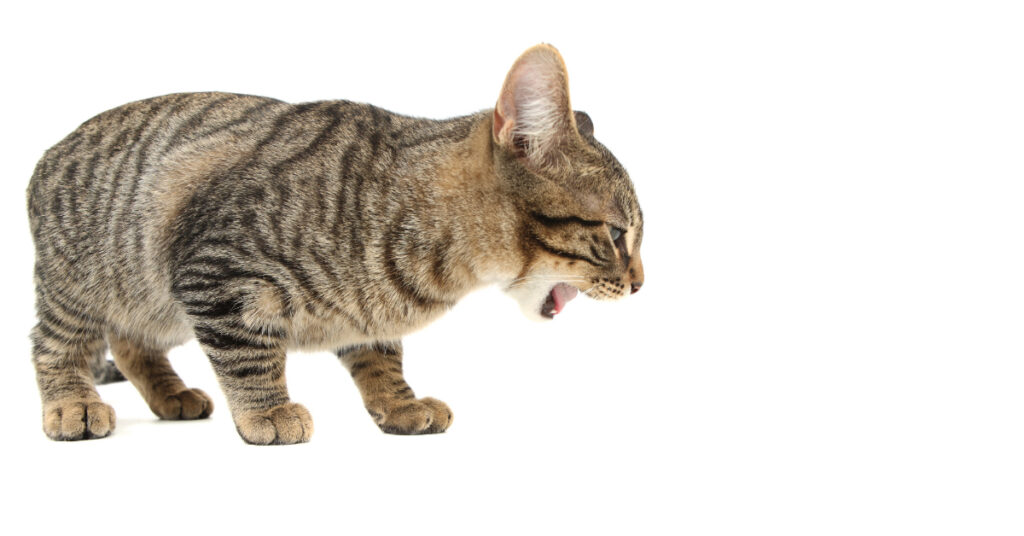
If your cat is vomiting, you’re probably wondering whether it’s a minor hiccup or something that needs immediate attention. The honest answer? It depends. Cat vomiting is one of the most common reasons pet owners call their veterinarian, and for good reason. While an occasional vomit after eating too fast can be perfectly normal, frequent or severe cat vomiting can signal a serious underlying health problem that requires professional care. This guide will help you understand the difference, recognize warning signs, and know exactly when to call Pet Townsend Veterinary Clinic.
Is Cat Vomiting Normal?
Cat vomiting is one of those topics that can be genuinely confusing for pet owners. Cats are unique animals with sensitive digestive systems, and some degree of vomiting is considered normal, but “some degree” is the key phrase. A cat that occasionally brings up a hairball or vomits once after gobbling down their food is usually not cause for alarm. A cat that is vomiting repeatedly, seems lethargic, or is losing weight is telling you something is wrong.
What Does Normal Cat Vomiting Look Like?
Occasional vomiting in cats (once or twice a month) may fall within a normal range, especially for cats who eat quickly or have long hair. Normal vomiting is typically brief, the cat recovers quickly, and continues eating and acting normally afterward. Hairballs are among the most common causes of vomiting in cats and often appear as tubular, hair-filled masses.
When Does Cat Vomiting Become Concerning?
Vomiting becomes a problem when it’s frequent, forceful, or paired with other symptoms. If your cat is vomiting more than once or twice a week or more than a couple of times in a 24-hour period, that is not normal. The same applies if your cat vomits but otherwise acts sick: hiding, refusing food, or seeming in pain. These are signs you should contact your veterinarian.
Causes of Vomiting in Cats
There are many possible reasons why a cat vomits. Some are minor and manageable; others are serious medical conditions that require prompt veterinary care.
Dietary Causes
Cats that eat too fast, switch foods abruptly, or eat something that doesn’t agree with them often vomit shortly after eating. This type of vomiting in cats is typically an isolated incident. You may notice undigested food in the vomit, and the cat usually feels fine afterward. Dietary indiscretion such as eating table scraps, garbage, or non-food items can also trigger an upset stomach.
Hairballs
Hairballs are a frequent cause of cat vomiting, particularly in medium- and long-haired breeds. When cats groom themselves, they swallow loose fur. Most passes through the digestive tract without issue, but some accumulates in the stomach and is expelled through vomiting. Occasional hairball-related vomiting is normal, but if your cat seems to be straining to vomit without producing a hairball, or if hairballs are happening very frequently, speak with your vet.
Gastrointestinal Disease
Chronic cat vomiting is often a sign of an underlying gastrointestinal issue. Inflammatory bowel disease (IBD), intestinal parasites, food allergies, and gastrointestinal infections are all common culprits. If your cat vomits regularly over weeks or months, or if the vomiting is accompanied by diarrhea or weight loss, a GI condition may be to blame.
Systemic Illness
Vomiting in cats can also be a symptom of serious systemic diseases, including kidney disease, hyperthyroidism, liver disease, diabetes, and pancreatitis. These conditions are especially common in middle-aged and older cats. Regular wellness exams at Pet Townsend Veterinary Clinic are one of the best ways to catch these conditions early, before vomiting and other symptoms become severe.
Toxin Ingestion or Foreign Bodies
If your cat has gotten into a toxic substance like certain houseplants, medications, cleaning products, or foods like onions and garlic, vomiting may be the body’s response to expelling that toxin. Similarly, cats that swallow foreign objects (string, toy parts, fabric) may vomit repeatedly as the digestive system struggles to pass the blockage. Both situations require immediate veterinary attention.
When To Worry About Vomiting in Cats
Knowing when to call the vet about a vomiting cat is one of the most important things you can do as a pet owner. When in doubt, it’s always better to make the call. Our team at Pet Townsend Veterinary Clinic is here to help you assess your cat’s symptoms and determine whether an appointment is needed.
Contact your vet if your cat is experiencing any of the following:
- Vomiting more than two or three times in 24 hours, or repeatedly over several days
- Blood in the vomit (may appear red or dark brown, like coffee grounds)
- Vomiting paired with lethargy, hiding, or changes in behavior
- Loss of appetite or refusal to eat for more than 24 hours
- Signs of abdominal pain, bloating, or a hunched posture
- Weight loss alongside ongoing vomiting
- Suspected ingestion of a toxic plant, substance, or foreign object
- Vomiting yellow bile, which can indicate an empty stomach or liver issues
What Happens at the Vet When Your Cat Is Vomiting?
When you bring your vomiting cat to Pet Townsend Veterinary Clinic, your veterinarian will start with a thorough physical exam and a detailed history. Be prepared to describe when the vomiting started, how often it occurs, what the vomit looks like, and any recent changes in diet, environment, or behavior.
From there, your vet may recommend:
- Blood and urine tests to check organ function and look for signs of infection or systemic disease
- Fecal testing to rule out intestinal parasites
- X-rays or ultrasound to evaluate the GI tract and check for foreign bodies or masses
- Dietary trials if food allergy or sensitivity is suspected
- Endoscopy or biopsy in cases where inflammatory bowel disease or cancer is a concern
The right diagnostic approach depends entirely on your cat’s individual history and symptoms. Your veterinarian is the best person to guide that process.
Frequently Asked Questions About Cat Vomiting
Why is my cat vomiting but acting normal?
A cat that vomits once or twice but continues eating, drinking, and behaving normally is less of an immediate concern than a cat that vomits and seems unwell. That said, even a cat that “seems fine” should be evaluated by a vet if vomiting recurs regularly. Some conditions that cause chronic cat vomiting, like hyperthyroidism or early kidney disease, don’t cause obvious behavioral changes until they’ve progressed significantly.
Why is my cat vomiting yellow liquid?
Yellow vomit in cats typically contains bile, a digestive fluid produced by the liver. Cats may vomit yellow bile when their stomach is empty, when they’ve gone too long between meals, or when there’s an underlying GI or liver issue. If your cat vomits yellow liquid frequently, a veterinary evaluation is warranted.
Can stress cause vomiting in cats?
Yes, stress and anxiety can contribute to vomiting in cats. Major changes including moving to a new home, adding a new pet, changes in routine, or loud environments, can trigger stress-related GI upset. If you suspect stress is a factor, your veterinarian can help you develop a management plan.
Is it normal for cats to vomit every day?
No. Daily vomiting in cats is not normal and should always be evaluated by a veterinarian. Frequent cat vomiting is one of the clearest indicators that something is wrong, even if your cat seems otherwise comfortable. Don’t wait, schedule an appointment.
How to Describe Your Cat’s Vomiting to Your Vet
The more information you can give your veterinarian, the easier it is to diagnose the cause of your cat’s vomiting. Before your appointment, take note of the following:
- How many times has your cat vomited, and over what time period?
- What does the vomit contain? (Undigested food, hair, bile, blood, foreign material)
- Did the vomiting start suddenly, or has it been happening gradually over time?
- Has your cat eaten anything unusual recently?
- Are there any other symptoms like diarrhea, weight loss, changes in thirst or urination?
- Has your cat’s diet changed recently?
If possible, take a photo or video of the vomit before cleaning it up. Your vet may find it helpful when assessing the situation.
Your Cat’s Digestive Health Starts With Proactive Care
Cat vomiting is a symptom, not a diagnosis, and the causes can range from the completely benign to the genuinely serious. The best approach is always to err on the side of caution and consult your veterinarian when you’re unsure. At Pet Townsend Veterinary Clinic, our team is experienced in diagnosing and treating the full spectrum of feline health conditions, including chronic vomiting, GI disease, and systemic illness. Serving pet owners in Port Townsend, WA and the surrounding area, we’re here to help your cat feel their best. If your cat is vomiting and you’re not sure what to do, give us a call at (360) 379-1133 or book an appointment online. We’ll help you figure out the next step.