
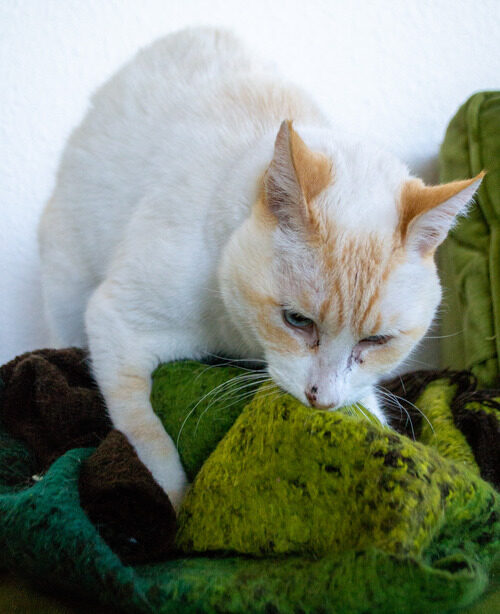
Cats have a language all their own, and few behaviors are as charming or puzzling as cat kneading. This rhythmic motion, where cats push their paws in and out against a soft surface, can look like they’re giving a tiny massage. But there’s more to cat kneading than meets the eye. It’s an instinctive, deeply rooted behavior that communicates comfort, affection, and even a bit of feline history. If your cat often kneads you, a blanket, or their favorite bed, they’re expressing far more than contentment. Let’s explore what this adorable behavior really means and why it’s such an important part of your cat’s emotional world.
What Is Cat Kneading?
Cat kneading is the rhythmic pressing of a cat’s front paws against a soft surface, alternating left and right. You might notice your cat’s claws extending slightly with each motion, or hear a gentle purr as they knead away on your lap or blanket. This behavior typically starts in kittenhood and continues throughout a cat’s life.
When kittens nurse, they instinctively knead their mother’s belly to stimulate milk flow. Even though adult cats no longer rely on milk, this motion remains a comforting reflex that reminds them of warmth, safety, and care. Adult cats often transfer that feeling to cozy spots or beloved humans, showing trust and relaxation through their kneading actions.
The Emotional Side of Cat Kneading
Cats may seem independent, but behaviors like cat kneading reveal their softer, more affectionate side. Kneading often happens during peaceful moments, like before a nap or while snuggling. This tells you your cat feels secure in their environment and comfortable with you.
A Sign of Affection and Bonding
When a cat kneads your lap or arm, it’s often their version of saying, “I feel safe with you.” In feline behavior, physical contact like this builds emotional bonds. Your cat might purr, drool, or even close their eyes while kneading, all of which are signs of total relaxation and affection.
Comfort and Self-Soothing
Just like a person might fluff a pillow or curl up in a favorite blanket, cats knead to create the perfect resting spot. The repetitive motion releases tension and helps them unwind. This explains why you often see cats kneading before bedtime or during quiet lounging sessions.
Why Cats Knead on Blankets, Furniture, or You
Different cats prefer different surfaces for kneading, but each choice offers clues about what they’re feeling.
Soft Blankets and Beds
A soft, warm blanket mimics the comfort of a mother cat’s fur. Kneading these materials is your cat’s way of recreating that familiar sense of security.
Furniture and Cushions
When cats knead furniture or bedding, they’re not just marking comfort. They’re also marking territory. Cats have scent glands in their paws, and kneading releases their unique scent. This subtle form of communication says, “This is my space.”
Kneading You
If your cat chooses you as their favorite kneading spot, take it as a compliment. They see you as part of their family group, someone they trust completely. This behavior can also stem from the association between kneading and nurturing, showing your cat views you as a source of comfort and safety.
The Biological Reasons Behind Cat Kneading
While cat kneading appears purely emotional, biology plays a role too. Kneading may serve several practical purposes in a cat’s natural instincts and body language.
Preparing a Resting Spot
In the wild, cats pat down grass or leaves before lying down. Domestic cats still carry this instinct, using kneading to prepare their bed before resting.
Stretching Muscles and Limbs
Kneading helps cats stretch their forelimbs, shoulders, and paws. After long naps, this gentle activity promotes blood flow and flexibility, similar to how humans stretch after sitting for a while.
Releasing Scent Markers
As mentioned earlier, scent glands in your cat’s paws release pheromones when they knead. This creates a sense of familiarity in their surroundings and helps them feel at ease. It’s a nonverbal way of claiming ownership without conflict.
What Cat Kneading Can Reveal About Your Cat’s Personality
Not every cat kneads the same way or for the same reason. Observing when and how your cat kneads can give you insight into their unique temperament.
The Confident Kneader
A cat who kneads often and openly usually feels secure and emotionally balanced. They trust their environment and the people in it.
The Occasional Kneader
Some cats knead only during specific times, such as after eating or when snuggling. This shows they associate kneading with comfort and positive experiences rather than habit.
The Gentle or Intense Kneader
Some cats barely press their paws, while others dig in with enthusiasm. If your cat’s kneading feels a little too intense, it’s best to place a soft blanket between you and their paws, so both of you can still enjoy the moment comfortably.
When Cat Kneading Becomes Excessive
While cat kneading is normal and harmless, excessive kneading may point to stress, boredom, or a need for more attention. If your cat kneads constantly, vocalizes while doing it, or targets one object obsessively, they might be seeking extra reassurance. Try redirecting their focus with interactive toys or extra playtime. Many cats respond well when given outlets for their energy and affection. However, if your cat’s behavior suddenly changes or becomes disruptive, a visit with your Port Townsend veterinarian can help identify whether something else is going on.
Understanding the Role of Cat Kneading in Daily Life
Kneading is one of the most recognizable forms of feline body language, and it often signals happiness, trust, and emotional balance. Whether your cat kneads before napping, while purring beside you, or during quiet moments around the home, it’s a clear indicator they feel safe and loved. Cats may not use words, but their paws tell stories. From marking their territory to showing affection, cat kneading bridges the gap between instinct and emotion. Paying attention to when and how your cat kneads can strengthen your understanding of their behavior and help you build an even closer relationship.
If you’re curious about your cat’s behavior or have questions about their health, the team at Pet Townsend Veterinary Clinic is happy to help. We love helping local pet owners understand their cats better and support their long-term well-being. Call us at (360) 379-1133 or book an appointment online today to schedule your cat’s next visit.