Can dogs eat peanut butter? Yes, most dogs can, and many absolutely love it. Peanut butter is one of the most popular treats among dog owners, used to stuff toys, hide pills, and reward good behavior. But before you hand your pup a spoonful, there are a few important things to know. Not all peanut butter is safe for dogs, and even the safe varieties should be given in moderation. Here’s what every dog owner needs to understand about peanut butter and dogs.
Is Peanut Butter Safe for Dogs?
Plain, unsalted, xylitol-free peanut butter is generally safe for dogs in small amounts. Peanut butter provides protein, healthy fats, vitamins B and E, and niacin, all of which offer some nutritional benefit. For most healthy dogs, peanut butter is a fine occasional treat when given responsibly.
That said, “safe” comes with a major asterisk. The safety of peanut butter for dogs depends entirely on the ingredients it contains. Some peanut butter products include additives that are toxic to dogs, most notably, the sweetener xylitol. Always read the label before sharing peanut butter with your dog.
What Makes Peanut Butter Dangerous for Dogs?
The biggest danger in peanut butter for dogs is xylitol, an artificial sweetener used in many sugar-free products. Xylitol is highly toxic to dogs. Even small amounts can cause a rapid drop in blood sugar (hypoglycemia) and, in larger doses, can lead to liver failure. Signs of xylitol poisoning include vomiting, weakness, lack of coordination, seizures, and collapse.
Beyond xylitol, some peanut butter products contain added sugar, salt, or palm oil, none of which benefit your dog’s health. High-fat foods can also contribute to pancreatitis in dogs, particularly in breeds prone to the condition. If your dog has pancreatitis, diabetes, or obesity, discuss peanut butter with your veterinarian before offering it as a treat.
How to Choose Peanut Butter That Is Safe for Dogs
Choosing the right peanut butter for dogs is simple once you know what to look for. The goal is to find a product with the fewest ingredients, ideally just peanuts, or peanuts and a small amount of salt.
Before giving your dog peanut butter, check the label for these ingredients:
- Xylitol — Toxic to dogs; avoid any product containing it. Also watch for “sugar alcohol” on the label, as this may indicate xylitol.
- Hydrogenated vegetable oils — These trans fats offer no nutritional value and are best avoided.
- Added sugar — Unnecessary for dogs and contributes to obesity and dental disease over time.
- Artificial sweeteners — Any artificial sweetener should be a red flag; some may be harmful even if they aren’t xylitol.
- High sodium content — Excessive salt is not good for dogs, especially those with heart or kidney conditions.
Natural peanut butters that contain only peanuts and perhaps a small amount of salt are typically the safest choice when feeding peanut butter to dogs. When in doubt, ask your veterinarian at Pet Townsend Veterinary Clinic for a recommendation.
How Much Peanut Butter Can Dogs Eat?
Even safe peanut butter should be given in moderation. Peanut butter is calorie-dense and high in fat, which means too much can contribute to weight gain and digestive issues. As a general guide, treats, including peanut butter, should make up no more than 10% of a dog’s daily caloric intake.
Peanut Butter Portions by Dog Size
Portion size matters when feeding dogs peanut butter. Small dogs should receive no more than half a teaspoon per day, while medium dogs can typically handle up to a teaspoon. Large dogs may be fine with up to a tablespoon daily, but this should still be an occasional treat, not a daily habit. Your veterinarian can help you determine the right amount based on your dog’s size, weight, and overall health.
Frequently Asked Questions About Dogs and Peanut Butter
Can puppies eat peanut butter?
Yes, puppies can eat peanut butter in very small amounts, as long as it does not contain xylitol or other harmful additives. Because puppies have smaller bodies and developing digestive systems, keep portions tiny and infrequent. If you’re unsure, check with your veterinarian before introducing peanut butter to a puppy.
Can dogs be allergic to peanut butter?
Yes, dogs can develop food allergies, including allergies to peanuts. Signs of a food allergy in dogs include itching, skin irritation, hair loss, gastrointestinal upset, and ear infections. If you notice any of these symptoms after feeding your dog peanut butter, discontinue use and schedule an appointment with your vet.
What happens if a dog eats too much peanut butter?
Eating too much peanut butter can cause vomiting, diarrhea, or lethargy in dogs due to the high fat content. In more serious cases, particularly with repeated overfeeding, it can contribute to pancreatitis, which is a painful inflammation of the pancreas. Signs of pancreatitis include vomiting, abdominal pain, loss of appetite, and a hunched posture. If your dog shows these signs after eating peanut butter, contact your veterinarian right away.
Signs Your Dog Reacted Badly to Peanut Butter
After giving your dog peanut butter, especially for the first time, monitor for any unusual reactions. While most dogs tolerate it well, some may not. Watch for these signs and contact Pet Townsend Veterinary Clinic if they occur:
- Vomiting or diarrhea within a few hours of eating peanut butter
- Excessive itching, scratching, or skin redness
- Swelling around the face or muzzle
- Lethargy or weakness
- Signs of abdominal pain, such as a hunched posture or reluctance to move
- Sudden collapse or seizures, especially if the peanut butter may have contained xylitol (this is an emergency)
Healthy Ways to Use Peanut Butter With Your Dog
When peanut butter is safe and used thoughtfully, it can be a great tool for enrichment and positive reinforcement. Here are some popular uses dog owners and veterinarians appreciate:
- Stuffed toys: Filling a Kong or similar toy with a small amount of peanut butter (and then freezing it) gives dogs a longer-lasting, mentally stimulating treat.
- Medication delivery: A small dab of peanut butter around a pill works well for dogs who resist taking medication.
- Training rewards: A tiny lick of peanut butter from a spoon can serve as a high-value reward during training sessions.
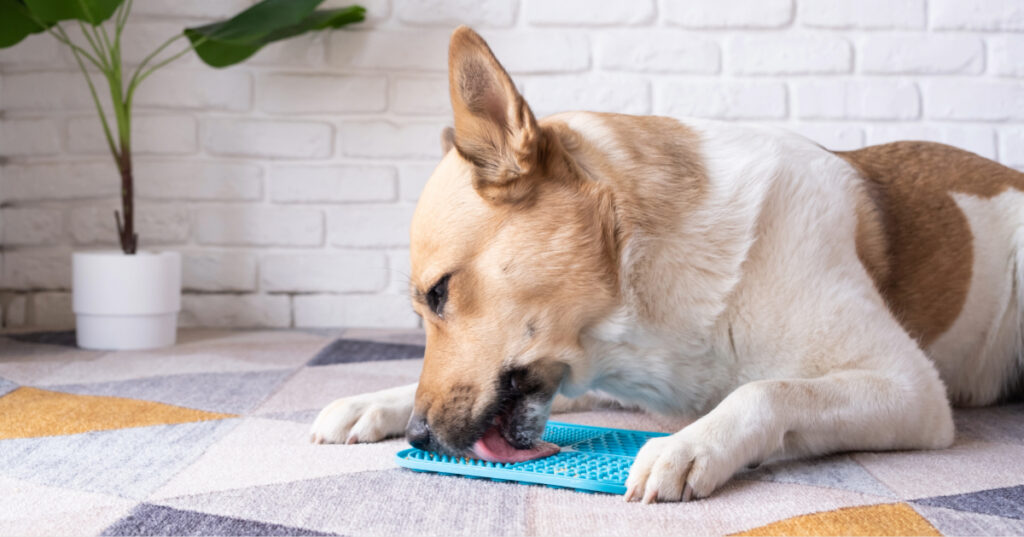
- Grooming distraction: Spreading a small amount on a lick mat helps keep dogs calm and distracted during nail trims or baths.
The Bottom Line on Dogs and Peanut Butter
So can dogs eat peanut butter? Yes, when it’s the right kind, given in the appropriate amount. The most important rules are simple: always check the ingredients for xylitol, choose a natural or minimal-ingredient product, and keep portions small. If your dog has any underlying health conditions, run it by the team at Pet Townsend Veterinary Clinic in Port Townsend, WA before making peanut butter a regular part of their routine. Call (360) 379-1133 or book an appointment online today. Our veterinarians are always happy to help you make the best choices for your dog’s health and happiness.