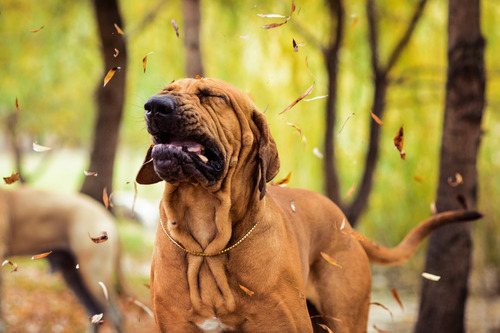
If you’ve ever heard your dog suddenly make a loud snorting or honking sound, you may have wondered what was happening. This sound, often mistaken for choking or gasping, is known as reverse dog sneezing. While it can sound alarming, reverse dog sneezing is usually harmless and temporary. It happens when a dog rapidly inhales air through the nose instead of exhaling it, often due to an irritation or mild spasm in the throat or soft palate. Still, understanding why it occurs and when it might signal a more serious issue can help you respond calmly and know when to call your veterinarian at Pet Townsend Veterinary Clinic in Port Townsend, WA.
What Is Reverse Sneezing in Dogs?
Reverse dog sneezing, also called inspiratory paroxysmal respiration, occurs when a dog quickly pulls air into the nose, producing a series of sharp snorting or honking sounds. Unlike regular sneezing, where air is pushed out, reverse sneezing involves rapid inhalation. This reflex is usually triggered by irritation or inflammation in the nasal passages, throat, or soft palate. During a reverse sneezing episode, your dog may:
- Stand still with elbows splayed and head extended
- Make loud, repeated snorting sounds
- Appear panicked or distressed for several seconds
Most episodes last between 10 to 30 seconds, though some can persist slightly longer. While the sound may be unsettling, reverse dog sneezing typically resolves on its own without causing harm.
Why Do Dogs Reverse Sneeze?
There are several common reasons dogs experience reverse sneezing, and most are related to irritation or inflammation of the upper airways. Understanding these triggers can help you identify patterns and discuss them with your veterinarian.
Environmental Irritants
Dust, pollen, smoke, perfume, or cleaning products can irritate the nasal passages and soft palate. Dogs that spend time outdoors especially in spring and summer may inhale pollen or grass particles that lead to temporary inflammation and sneezing fits.
Excitement or Overstimulation
Many pet owners notice reverse dog sneezing when their pet gets excited such as during playtime, greeting family members, or going for a walk. Excitement can cause rapid breathing and mild throat spasms that trigger the reaction.
Temperature or Humidity Changes
Cold or dry air can irritate the throat and nasal tissues, while sudden changes in temperature may also prompt reverse sneezing. Dogs with short muzzles or narrow nasal passages, such as pugs and bulldogs, are especially sensitive to these fluctuations.
Allergies or Mild Infections
Seasonal allergies or mild upper respiratory infections can increase mucus production or cause inflammation, both of which may lead to reverse dog sneezing. While most cases are mild, ongoing episodes could indicate an underlying condition that needs veterinary attention.
Is Reverse Dog Sneezing Dangerous?
In most cases, reverse dog sneezing is harmless and self-limiting. However, frequent or severe episodes can occasionally indicate another health concern. The key is to observe your dog’s overall behavior and note how often episodes occur.
Normal vs. Concerning Episodes
A normal reverse sneezing episode is brief and ends as suddenly as it begins. Your dog should recover quickly and return to normal breathing and activity. If episodes become frequent, prolonged, or accompanied by other symptoms such as coughing, nasal discharge, or lethargy, you should call your veterinarian.
Conditions That May Resemble Reverse Sneezing
Certain conditions can mimic the sound or behavior of reverse dog sneezing. These include:
- Collapsing trachea, common in small breeds
- Kennel cough, which causes persistent coughing
- Nasal mites or foreign objects, which cause irritation and sneezing
- Respiratory infections, which can create congestion and difficulty breathing
If you’re unsure whether your dog is reverse sneezing or experiencing something more serious, it’s best to record the episode and share the video with your veterinarian.
Which Dogs Are More Likely to Reverse Sneeze?
While any dog can experience reverse sneezing, certain breeds and conditions make some pets more prone than others.
Brachycephalic Breeds
Dogs with short muzzles like pugs, Boston terriers, and bulldogs have smaller nasal passages and elongated soft palates. These anatomical traits can increase their likelihood of reverse sneezing.
Small and Toy Breeds
Smaller breeds such as Chihuahuas, Yorkies, and Shih Tzus often experience reverse sneezing due to their narrower tracheas and more delicate airways.
Dogs with Allergies or Nasal Sensitivity
Pets that are sensitive to environmental allergens or have chronic respiratory inflammation may also experience reverse dog sneezing more frequently than others.
What to Do If Your Dog Is Reverse Sneezing
Reverse dog sneezing typically stops on its own, but staying calm during the episode helps prevent further anxiety in your pet. While you shouldn’t attempt to treat it at home, you can take note of triggers or patterns and share those details with your veterinarian.
If your dog begins reverse sneezing:
- Stay calm and avoid startling them.
- Observe the duration of the episode.
- Note any potential triggers, like excitement or dust exposure.
These details will help your veterinarian determine whether additional testing or management is needed.
When to Contact Your Veterinarian
You should call Pet Townsend Veterinary Clinic at (360) 379-1133 or schedule an appointment online if:
- Episodes happen daily or increase in frequency
- Sneezing lasts longer than 30 seconds
- Your dog shows signs of distress, fatigue, or difficulty breathing
- There’s nasal discharge, coughing, or loss of appetite
A veterinary exam can help rule out infections, allergies, or structural airway issues that may contribute to reverse dog sneezing.
How Do Vets Diagnose Reverse Sneezing?
Your veterinarian will start with a detailed history of your dog’s episodes, including frequency, duration, and triggers. They may also perform a physical exam to listen to your dog’s airways and check for inflammation or nasal blockage.
Diagnostic Tests
Depending on your dog’s symptoms, your veterinarian may recommend:
- Nasal or throat examination to identify foreign objects or inflammation
- Allergy testing if environmental triggers are suspected
- X-rays or imaging to rule out structural issues
- Laboratory testing to evaluate for infections
The goal is to identify or rule out any underlying causes that may need treatment.
Long-Term Management
If reverse dog sneezing is linked to allergies or environmental irritants, your veterinarian may suggest reducing exposure to triggers. For dogs with chronic conditions, regular monitoring and communication with your veterinary team help manage symptoms effectively.
Helping Your Dog Breathe Easier
Reverse dog sneezing may sound alarming, but in most cases, it’s a harmless reflex rather than a sign of illness. Understanding what triggers it and knowing when to call your veterinarian can make all the difference in your peace of mind. If your dog experiences frequent reverse sneezing or shows signs of discomfort, contact Pet Townsend Veterinary Clinic in Port Townsend, WA at (360) 379-1133 or book an appointment online today. Our veterinary team will examine your pet’s airways, identify potential triggers, and ensure they’re breathing comfortably again.