
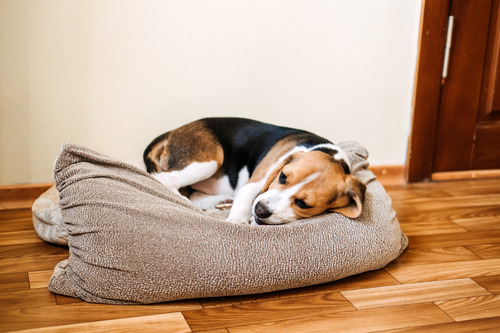
When your dog develops a persistent, hacking cough, kennel cough is often the culprit. Kennel cough, or canine infectious tracheobronchitis, is a contagious respiratory illness that affects the upper airways of dogs. It’s commonly spread where dogs gather—boarding facilities, dog parks, grooming salons, or training classes. While most cases are mild, kennel cough can be uncomfortable for your dog and may lead to more serious illness if left untreated. Understanding what kennel cough is, how it spreads, and the best ways to prevent it can help protect your dog’s health and comfort.
At Pet Townsend Veterinary Clinic in Port Townsend, WA, our veterinary team helps local pet owners manage and prevent kennel cough through proper vaccination and tailored care. Call (360) 379-1133 or book an appointment online today to keep your dog protected.
What Is Kennel Cough?
Kennel cough is a broad term used to describe contagious respiratory infections in dogs, typically caused by a combination of viruses and bacteria. The most common cause is the bacterium Bordetella bronchiseptica, often combined with viruses such as canine parainfluenza, canine adenovirus type 2, or canine respiratory coronavirus. Together, these pathogens inflame the lining of the trachea and bronchi, leading to the characteristic harsh, “honking” cough. Dogs of any breed, size, or age can develop kennel cough, but it’s most common in those who spend time around other dogs. Similar to how colds spread among humans, kennel cough spreads quickly in social or crowded environments.
How Dogs Catch Kennel Cough
Kennel cough spreads through airborne droplets, direct contact, or contaminated surfaces. When an infected dog coughs, sneezes, or barks, microscopic droplets carrying the bacteria or virus can travel through the air and infect nearby dogs.
Common Places Where Kennel Cough Spreads
- Boarding and daycare facilities where dogs share airspace
- Grooming salons and veterinary clinics with high pet traffic
- Dog parks and training classes where close interaction occurs
- Shared water bowls, toys, or leashes that carry infectious material
Even brief exposure can result in infection, especially in young puppies, senior dogs, or those with weakened immune systems. Because kennel cough has multiple causes, it’s possible for dogs to contract it more than once in their lifetime.
Recognizing the Symptoms of Kennel Cough
Kennel cough symptoms usually appear 3–10 days after exposure. The most recognizable sign is a persistent, dry cough that sounds like a goose honk. While the cough can be alarming, most dogs remain active and maintain normal appetites.
Common Kennel Cough Symptoms
- A deep, dry, or honking cough that worsens with excitement or exercise
- Gagging or retching after coughing
- Sneezing or nasal discharge
- Watery eyes
- Mild lethargy or decreased energy
- Slight fever in some cases
If your dog develops these symptoms, it’s best to have them examined by your veterinarian. While most cases resolve with time and supportive care, a cough that lingers or worsens can indicate pneumonia or another respiratory issue.
The Diagnostic Process for Kennel Cough
At Pet Townsend Veterinary Clinic, our veterinarians begin with a thorough physical exam and a discussion of your dog’s recent history. We’ll listen to your dog’s lungs and trachea for the characteristic cough sound and assess their overall health.
Diagnostic Tools May Include:
- Chest X-rays (radiographs): To rule out pneumonia or other lung conditions
- Blood tests: To evaluate immune response and detect infection
- PCR testing or cultures: To identify the specific virus or bacteria involved
These diagnostic methods help determine whether your dog has kennel cough or another respiratory illness, such as canine influenza or bronchitis. Identifying the cause allows for more targeted treatment and better recovery outcomes.
Veterinary Treatment for Kennel Cough
Most dogs recover from kennel cough within two to three weeks with proper rest and care. However, the duration can vary depending on your dog’s age, overall health, and the infectious agent involved.
Supportive Veterinary Care
Veterinarians often recommend supportive measures to help your dog stay comfortable and recover more quickly. This may include rest, hydration, and medications to ease coughing or inflammation. Antibiotics may be prescribed if a bacterial infection is confirmed or if secondary infections are likely.
When Hospitalization May Be Needed
While uncommon, severe cases can lead to pneumonia, particularly in puppies, older dogs, or dogs with compromised immune systems. In these cases, hospitalization and additional treatments such as oxygen therapy may be required. Even after recovery, dogs can remain contagious for several weeks. Your veterinarian can advise you when it’s safe to return your dog to daycare or social settings.
Can Kennel Cough in Dogs Be Prevented?
Preventing kennel cough is far easier than treating it. Vaccination and good hygiene practices go a long way toward protecting your dog from respiratory infections.
The Bordetella Vaccine
The Bordetella vaccine protects against one of the main bacterial causes of kennel cough. It can be given as an injection, nasal spray, or oral vaccine. Many boarding and grooming facilities require this vaccine before allowing dogs to enter. Your veterinarian will recommend how often your dog should receive boosters based on their lifestyle and exposure risk.
Additional Vaccines That Help
Other vaccines, such as those for canine parainfluenza and canine adenovirus type 2, also play a role in preventing kennel cough. These are typically included in your dog’s core vaccination schedule.
Hygiene and Environmental Prevention Tips
- Avoid crowded areas during outbreaks or if your dog is unvaccinated
- Keep your dog’s belongings clean, including food bowls and bedding
- Use proper ventilation in indoor areas where dogs gather
- Limit exposure to dogs showing respiratory symptoms
Taking these precautions can reduce your dog’s chances of catching or spreading kennel cough.
How Long Is Kennel Cough Contagious?
Kennel cough has an incubation period of about 3–10 days, and dogs can be contagious even before they show symptoms. Once a cough develops, your dog may remain contagious for up to three weeks. To help prevent spreading the infection, avoid taking your dog to daycare, dog parks, or grooming salons during this period. Always notify your veterinarian and any facilities your dog recently visited if kennel cough is suspected.
When to See Your Veterinarian
While most cases of kennel cough resolve without complications, certain signs warrant immediate veterinary attention. Contact your veterinarian if your dog:
- Develops a persistent or worsening cough
- Experiences loss of appetite or energy
- Has labored breathing or wheezing
- Shows signs of fever or nasal discharge
- Is a young puppy, senior dog, or immunocompromised
Prompt evaluation helps prevent more serious respiratory infections and ensures your dog gets the care they need to recover comfortably.
Protect Your Dog’s Health with Preventive Care
Kennel cough may be common, but it doesn’t have to disrupt your dog’s routine or comfort. Regular checkups, vaccinations, and proactive hygiene can greatly reduce your dog’s risk. At Pet Townsend Veterinary Clinic, we provide preventive care tailored to your dog’s lifestyle to help them stay healthy and happy year-round. If you suspect your dog has kennel cough or you’d like to update their vaccinations, call (360) 379-1133 or book an appointment online today. Our caring team is here to help your dog breathe easier and get back to wagging their tail in no time.