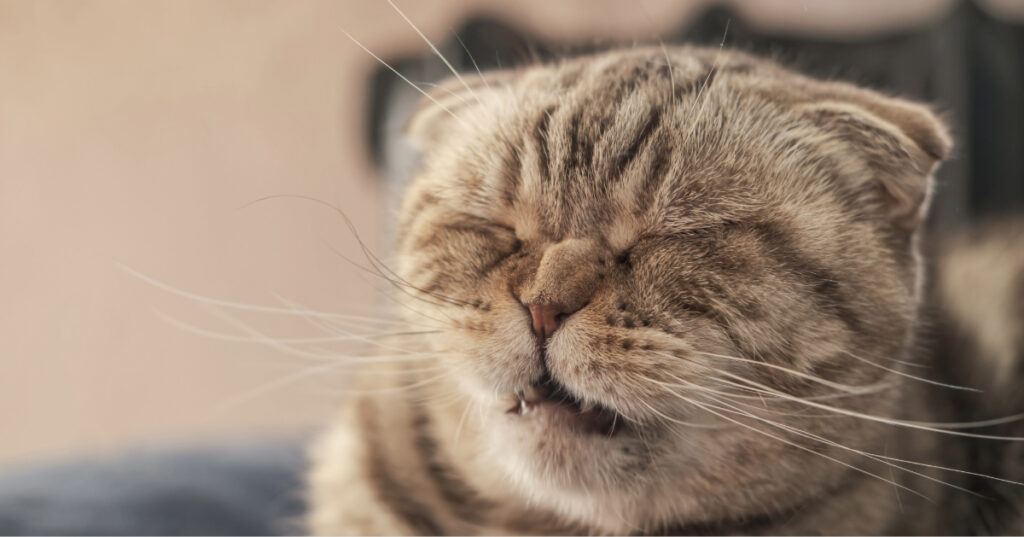
Cat sneezing is something most cat owners have seen before, like a quick little achoo that barely interrupts a nap. Most of the time, it’s nothing to worry about. But cat sneezing that’s frequent, forceful, or paired with other symptoms can be a sign that your cat needs veterinary attention. This guide will help you understand why cats sneeze, when it’s normal, and when a trip to Pet Townsend Veterinary Clinic is the right call.
Is Cat Sneezing Normal?
Yes, occasional cat sneezing is perfectly normal. Just like people, cats sneeze to clear irritants from their nasal passages. A random sneeze in response to dust, a strong scent, or a tickle in the nose is nothing to worry about. The concern arises when your cat is sneezing repeatedly, sneezing with discharge, or sneezing alongside other signs of illness.
Why Do Cats Sneeze?
Cat sneezing has many possible causes, ranging from simple environmental irritants to infectious disease.
Environmental Irritants
Cats have sensitive respiratory tracts, and many household substances can trigger sneezing. Dust, cigarette smoke, air fresheners, perfumes, scented candles, cleaning products, and even certain cat litters can all irritate the nasal passages and cause your cat to sneeze. This type of sneezing is usually intermittent and resolves once the irritant is removed.
Upper Respiratory Infections
Upper respiratory infections (URIs)such as feline herpesvirus (FHV-1) and feline calicivirus are the most frequent culprits and are highly contagious among cats. A cat with an upper respiratory infection typically sneezes frequently, may have nasal or eye discharge, and may develop a fever or lose their appetite. Kittens and cats in multi-cat households or shelters are especially vulnerable.
Feline Herpesvirus
Feline herpesvirus is extremely common. Estimates suggest that the majority of cats are exposed to it at some point in their lives. Cats infected with FHV-1 may experience periodic flare-ups of sneezing, nasal congestion, and eye discharge, particularly during times of stress. The virus cannot be cured, but its symptoms can be managed with veterinary support.
Dental Disease
This one surprises many cat owners: dental disease can cause sneezing. The roots of the upper teeth in cats sit very close to the nasal passages. An infected tooth root can create a pathway for bacteria to enter the nasal cavity, leading to nasal discharge and sneezing. If your cat is sneezing and has bad breath, difficulty eating, or drooling, a dental evaluation at Pet Townsend Veterinary Clinic is a good idea.
Nasal Polyps or Masses
In some cases, sneezing in cats is caused by a physical obstruction in the nasal cavity, such as a polyp, tumor, or foreign body. Nasal masses are more common in older cats and often cause chronic, one-sided sneezing, nosebleeds, or facial swelling. These cases require veterinary imaging to diagnose.
Allergies
Although less common in cats than in dogs, allergies can trigger sneezing. Cats may be sensitive to pollen, mold, dust mites, or other environmental allergens. Allergy-related cat sneezing is typically seasonal or linked to a specific environment and is often accompanied by itchy skin or watery eyes.
Signs Your Sneezing Cat Needs to See a Vet
A sneeze here and there is nothing to lose sleep over. But certain patterns of cat sneezing should prompt a call to your veterinarian. At Pet Townsend Veterinary Clinic, our team evaluates sneezing cats regularly and can help determine whether diagnostics are needed.
Contact your vet if your cat is sneezing and also has:
- Nasal discharge, especially if it’s thick, yellow, green, or bloody
- Discharge from one or both eyes
- Loss of appetite or weight loss
- Lethargy, hiding, or changes in behavior
- Labored or noisy breathing
- Sneezing that’s been going on for more than a week without improvement
- Nosebleeds or one-sided sneezing (which can suggest a mass or foreign body)
- Open-mouth breathing or pawing at the face or nose
Kittens, elderly cats, and cats with compromised immune systems are at higher risk for complications from respiratory illness, so err on the side of caution with these groups.
How Do Vets Determine the Cause of Cat Sneezing?
When a sneezing cat comes into Pet Townsend Veterinary Clinic, the diagnostic process begins with a thorough physical exam and history. Your veterinarian will want to know how long the sneezing has been happening, whether it’s getting worse, and whether any other symptoms are present.
Depending on what the exam reveals, diagnostics may include:
- Nasal swab or culture to identify bacterial or viral infection
- Blood work to check overall health and screen for underlying disease
- Dental exam to rule out tooth root infection
- X-rays of the skull and nasal cavity if a mass or structural abnormality is suspected
Treatment Approaches for Sneezing in Cats
Treatment for cat sneezing depends entirely on the underlying cause. Environmental triggers may simply require changes to the home environment. Bacterial infections are typically treated with antibiotics, while viral causes may be managed with supportive care. Cats with feline herpesvirus flare-ups may benefit from antiviral medications and immune support. Dental disease requires appropriate dental treatment. Nasal polyps or masses may require surgery or, in the case of cancer, additional oncological care.
Frequently Asked Questions About Cat Sneezing
Why is my cat sneezing so much all of a sudden?
Sudden, frequent cat sneezing is often a sign of an upper respiratory infection, especially if accompanied by discharge or lethargy. It can also result from a new irritant in the environment. If your cat goes from normal to sneezing repeatedly over a day or two, a veterinary check is the smart move.
Can a cat’s sneezing spread to other pets?
If your cat’s sneezing is caused by an upper respiratory infection, it can absolutely spread to other cats in the household. Keep a sneezing cat with suspected infection separated from other cats until they’ve been evaluated by a veterinarian. Feline respiratory viruses are not contagious to humans or dogs.
Why is my cat sneezing blood?
Blood in a cat’s nasal discharge or sneeze is always worth investigating. It can result from a severe infection, nasal polyp, foreign body, blood clotting disorder, or nasal tumor. Don’t wait on this one. Contact your veterinarian the same day.
Protecting Your Cat’s Respiratory Health Year-Round
Cat sneezing is common, but that doesn’t mean it should be ignored when it persists or worsens. Staying current on vaccinations, including the FVRCP vaccine that protects against feline herpesvirus and calicivirus, is one of the best ways to reduce your cat’s risk of serious respiratory illness. Minimizing environmental irritants, scheduling regular wellness exams, and addressing dental disease early all play a role in your cat’s overall respiratory health. Our team at Pet Townsend Veterinary Clinic in Port Townsend, WA is here to help you navigate your cat’s symptoms and get to the bottom of what’s going on. If your cat’s sneezing is raising questions, give us a call at (360) 379-1133 or book an appointment online today.