
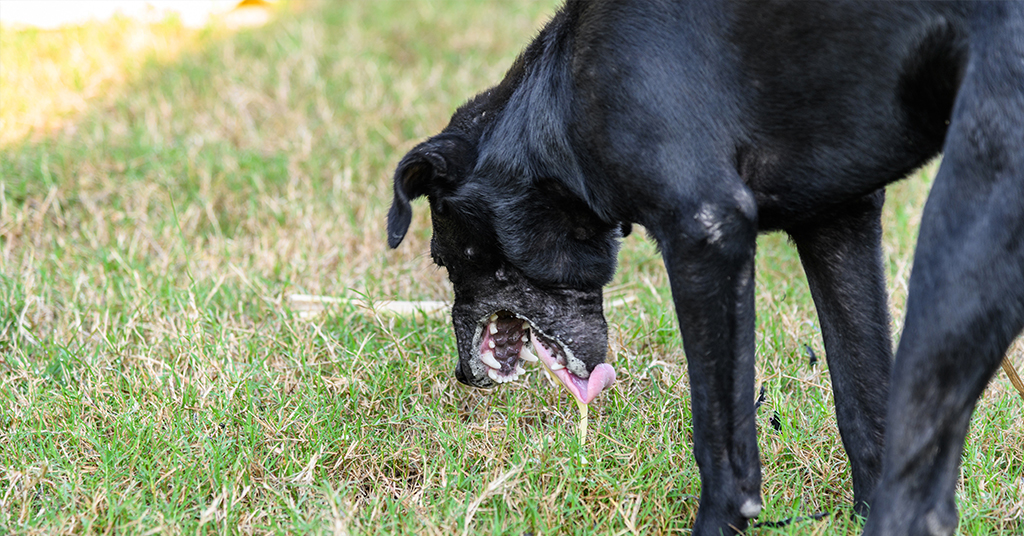
Dog vomiting white foam usually happens when air mixes with saliva or stomach fluid, often because the stomach is empty or mildly irritated. A single episode in a dog who otherwise acts normal is rarely urgent, but repeated foamy vomiting, unproductive retching, a swollen belly, or lethargy can signal an emergency like bloat and needs immediate veterinary care.
Few things send a dog owner scrambling for paper towels faster than the sound of retching in the middle of the night. Seeing a puddle of white froth can be unsettling, especially when you’re not sure whether it’s a minor stomach upset or the start of something serious. At Pet Townsend Veterinary Clinic, we help Port Townsend families sort out these situations every week. This article explains why white foam appears, the conditions behind it, the red flags that mean you shouldn’t wait, how veterinarians track down the cause, what treatment can involve, and steps that may lower your dog’s risk going forward.
Why Is My Dog Throwing Up White Foam?
The foamy texture itself offers a clue. When a dog vomits with little or no food in the stomach, the material brought up is mostly saliva, mucus, and digestive fluid whipped into froth by air.
Vomiting vs. Regurgitation vs. Coughing
Not every foamy episode is true vomiting. Vomiting is an active process with heaving and abdominal contractions. Regurgitation is more passive, with material sliding up from the esophagus with little effort. Some dogs also cough up white foam, particularly with respiratory conditions like kennel cough. Telling these apart helps your veterinarian focus on the right body system, so take note of what you see. What looks like dog vomiting white foam may actually be a cough or regurgitation, and each points toward different causes.
Why Timing Matters
Many cases of dog vomiting white foam happen early in the morning or late at night, when the stomach has been empty for hours. Others follow eating too fast, drinking large amounts of water, or a long play session. Noticing when the episodes occur gives your veterinarian valuable context. A short log of dates, times, and what your dog ate beforehand can reveal patterns that are easy to miss in the moment.
Common Causes of White Foam Vomiting in Dogs
A wide range of conditions can lead to dog vomiting white foam. Some are mild and pass quickly, while others require prompt medical attention. Veterinarians most often see the following:
- Empty stomach irritation: Stomach acid and bile can irritate the lining when meals are spaced far apart.
- Dietary indiscretion: Eating grass, garbage, table scraps, or spoiled food from a beach walk.
- Gastritis: Inflammation of the stomach lining from infection, food sensitivity, or irritants.
- Kennel cough: Coughing fits that end with a gag and a bit of white froth.
- Pancreatitis: Often triggered by fatty foods and accompanied by abdominal pain.
- Foreign objects: Toys, socks, bones, or corn cobs that block the digestive tract.
- Toxin exposure: Household chemicals, certain plants, medications, or rodent bait.
- Bloat (GDV): A life-threatening twisting of the stomach, most common in large, deep-chested breeds.
Underlying Illnesses
Chronic dog vomiting white foam can also point to conditions beyond the stomach, including kidney or liver disease, inflammatory bowel disease, and hormonal disorders. In unvaccinated puppies, parvovirus is an important concern, especially when vomiting comes with diarrhea and weakness.
When Should You Worry About White Foam Vomiting?
Knowing when to act quickly is the most important part of handling dog vomiting white foam. Some situations can wait for a regular appointment, while others need emergency care right away.
Signs of an Emergency
Contact your veterinarian or the nearest emergency animal hospital immediately if your dog shows any of the following:
- Repeated retching or attempts to vomit with little or nothing coming up
- A swollen, tight, or painful abdomen
- Restlessness, pacing, or an inability to get comfortable
- Pale gums, rapid breathing, or collapse
- Vomiting several times within a few hours
- Blood in the vomit or vomit that looks like coffee grounds
- Known or suspected ingestion of a toxin or object
Unproductive retching with white foam is a classic sign of bloat. This condition can become fatal within hours, so don’t wait to see whether it passes.
When It May Be Reasonable to Monitor
If your adult dog vomits foam once, then eats, drinks, and plays normally, the episode may have been a minor stomach upset. Even so, call your veterinarian for guidance, particularly if your dog is a puppy, a senior, or has existing health problems. Repeated episodes over days or weeks warrant an exam, even if each one seems mild. Recurring dog vomiting white foam is your dog’s way of telling you something in their digestive system needs attention.
How Vets Diagnose the Cause
Because dog vomiting white foam has so many possible triggers, your veterinarian will combine your observations with an exam and targeted testing to find the source.
Health History and Physical Exam
Expect questions about how often the vomiting happens, when it started, your dog’s diet, any recent changes in routine, and whether your dog may have eaten something unusual. Photos of the vomit and notes on timing are surprisingly helpful. During the exam, your veterinarian feels the abdomen, checks hydration, listens to the heart and lungs, and looks for signs of pain.
Diagnostic Testing
Common tests include bloodwork to evaluate organ function and hydration, urinalysis, abdominal X-rays or ultrasound to look for blockages or bloat, fecal tests for parasites, and a pancreatic enzyme test when pancreatitis is suspected. For puppies, a parvovirus test may be recommended. The team at Pet Townsend Veterinary Clinic will explain each test and why it matters for your dog’s situation.
Treatment Options for Dogs Throwing Up White Foam
Treatment depends entirely on what’s causing the vomiting. Once your veterinarian has a diagnosis, they’ll recommend a plan that fits your dog’s needs and overall health. Treating dog vomiting white foam successfully means addressing the root cause rather than only calming the symptoms.
Supportive and Medical Care
Many dogs with mild stomach upset benefit from supportive care, which may include fluids to correct dehydration, anti-nausea medication, and stomach-protecting medications prescribed by your veterinarian. Dogs with infections, parasites, or pancreatitis receive treatment targeted to those conditions, sometimes with hospitalization for closer monitoring.
Surgical Treatment
Some causes of dog vomiting white foam require surgery. Bloat is a surgical emergency, and foreign objects that cause a blockage often need to be removed surgically or, in some cases, with an endoscope.
Long-Term Management
Dogs with chronic conditions like inflammatory bowel disease or food sensitivities may need a prescription diet, ongoing medication, and regular rechecks. Never give your dog human anti-nausea or antacid products without guidance, since some can be harmful or mask a serious problem.
How to Prevent White Foam Vomiting in Dogs
Not every case is preventable, but simple habits can lower the chances of dog vomiting white foam and reduce the risk of more serious digestive emergencies.
- Ask your veterinarian whether splitting your dog’s daily food into smaller, more frequent meals makes sense
- Use a slow-feeder bowl for dogs who gulp their food
- Limit vigorous exercise right before and after meals, especially for large breeds
- Secure trash cans, compost, and food on counters
- Keep toys, socks, and small objects out of reach of chewers
- Store medications, cleaners, and rodent bait in closed cabinets
- Stay current on vaccines and routine wellness exams
For owners of deep-chested breeds like Great Danes, German Shepherds, and Standard Poodles, ask your veterinarian about bloat risk and whether a preventive procedure called gastropexy might be appropriate.
Get Help for Your Vomiting Dog in Port Townsend
Dog vomiting white foam can range from a one-time empty stomach episode to a sign of bloat, pancreatitis, or a blockage. The key difference lies in how your dog acts afterward. A dog who bounces back quickly may simply need monitoring and a call to your vet, while repeated retching, abdominal swelling, or weakness calls for immediate care.
If you’re concerned about your dog’s vomiting, Pet Townsend Veterinary Clinic is here to help. Our team provides thorough exams, diagnostic testing, and clear guidance for dogs throughout Port Townsend and Jefferson County. Call us at (360) 379-1133 to schedule an appointment, or visit us at 1445 F Street. For after-hours emergencies, contact the nearest emergency veterinary hospital right away.