
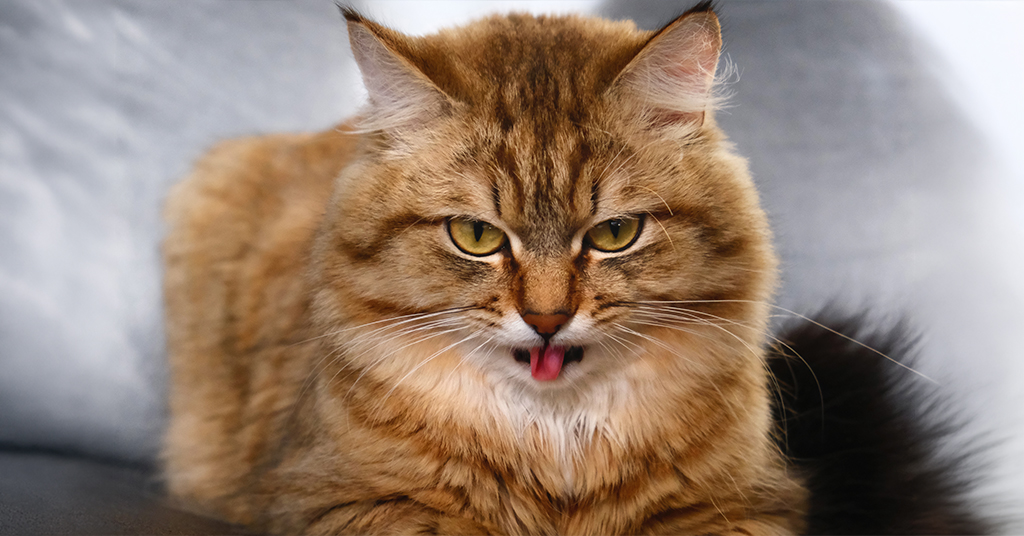
Cat coughing is most often caused by feline asthma, hairballs, respiratory infections, parasites, or inhaled irritants, though heart disease and growths in the chest can also play a role. An occasional cough may be nothing serious, but frequent or ongoing coughing in cats is never considered normal and deserves a veterinary exam.
Cats are experts at hiding discomfort, so a cough is one of the few clear signals they give that something is bothering their airways. Many owners mistake that low, hunched hacking for a hairball that never comes up, and they wait weeks before asking for help. At Pet Townsend Veterinary Clinic, we see coughing cats from across Port Townsend and Jefferson County, and early answers almost always lead to easier care. In this guide, we explain what cat coughing looks like, the seven most common causes, what to do when your cat starts coughing, how veterinarians find the source, and the treatment options available.
What Is Cat Coughing?
A cough is a reflex that pushes air out of the lungs to clear mucus, debris, or irritation from the airways. Recognizing a true cough helps you describe the problem accurately to your veterinarian.
What a Coughing Cat Looks Like
When cats cough, they usually crouch low with their chest close to the floor and their neck stretched forward. The sound may be dry and hacking or moist and gurgling. Unlike vomiting, a cough typically produces nothing, or only a small amount of foamy saliva that the cat swallows.
Coughing vs. Hairballs, Sneezing, and Gagging
Telling these behaviors apart can be tricky. A hairball episode generally ends with a wet, tube-shaped clump of fur and involves heaving from the belly. Sneezing comes from the nose, and gagging often follows swallowing something. If your cat makes the hacking motion repeatedly without producing a hairball, cat coughing from an airway problem is a more likely explanation.
Dry vs. Wet Coughs
The type of cough offers useful clues. A dry, honking, or wheezy cough often points to airway inflammation, such as asthma or bronchitis. A moist or productive cough, where you hear mucus or fluid, may suggest infection or fluid in the lungs. Neither sound confirms a diagnosis on its own, but describing it accurately gives your veterinarian a helpful starting point. Coughing that comes in clusters, worsens at night, or appears after exercise is also worth mentioning at your appointment.
Why Is My Cat Coughing? The 7 Most Common Causes
Several conditions can trigger cat coughing, ranging from mild and temporary to chronic and serious. Here are the causes veterinarians encounter most often:
- Feline asthma: An inflammatory airway disease that narrows the bronchial tubes and often causes coughing fits and wheezing.
- Hairballs: Fur collecting in the digestive tract can cause hacking that looks similar to a cough.
- Upper respiratory infections: Viruses and bacteria can irritate the throat and airways, especially in kittens and cats from shelters.
- Parasites: Lungworms and heartworms can damage the airways and lungs, leading to persistent coughing.
- Environmental irritants: Smoke, dusty litter, aerosol sprays, and strong fragrances can inflame sensitive airways.
- Bronchitis and pneumonia: Inflammation or infection deeper in the lungs often brings coughing along with fever and fatigue.
- Heart disease or tumors: Less common, but fluid buildup or growths in the chest can cause coughing, particularly in older cats.
Why Feline Asthma Tops the List
Asthma affects an estimated 1 to 5 percent of cats and is one of the leading reasons for chronic cat coughing. Episodes may be triggered by allergens like pollen, mold, or dust mites. Because the condition can worsen over time and lead to dangerous breathing crises, a diagnosis matters even when symptoms seem mild.
Foreign Objects in the Airway
Occasionally, a cat inhales a blade of grass, a seed, or another small object. Sudden, intense coughing that starts after time outdoors or after chewing on plants may point to something lodged in the throat or airway.
What to Do If Your Cat Is Coughing
Your first job is to watch closely and gather information. The details you collect help your veterinarian narrow down the cause quickly and decide how urgent the situation is.
Observe and Record the Coughing
Try to note when the coughing happens, how long each episode lasts, and whether it follows eating, playing, or resting. A short smartphone video can be incredibly helpful, since many cats stop coughing as soon as they arrive at the clinic. Also pay attention to changes in appetite, energy, litter box habits, or grooming.
Know the Emergency Warning Signs
Some symptoms mean your cat needs immediate care. Contact your veterinarian or the nearest emergency hospital right away if your cat shows any of the following:
- Open-mouth breathing or panting
- Blue, gray, or pale gums or tongue
- Rapid breathing while resting or sleeping
- Collapse, weakness, or hiding and refusing to move
- Coughing up blood
Avoid Guesswork at Home
It can be tempting to wait it out or try a remedy you read about online, but cat coughing has too many possible causes to guess safely. Never give your cat human cough syrup or other human medications, many of which are toxic to cats. A call to your veterinarian is the safest next step.
How Veterinarians Diagnose Cat Coughing
Because so many conditions share similar symptoms, diagnosing cat coughing usually involves combining an exam with targeted tests. Your veterinarian will tailor the workup to your cat’s age, history, and symptoms.
History and Physical Exam
Your veterinarian will ask about your cat’s lifestyle, indoor or outdoor access, recent changes at home, and how long the coughing has gone on. During the exam, they listen carefully to the heart and lungs, check the throat and nose, and look for signs of fever, dehydration, or weight loss.
Common Diagnostic Tests
Depending on the findings, your cat’s care team may recommend:
- Chest X-rays to evaluate the lungs, airways, and heart size
- Bloodwork to assess overall health and look for infection
- Fecal testing to check for lungworm larvae
- Heartworm antigen and antibody tests
- Airway sampling, such as a tracheal wash or bronchoalveolar lavage
- An echocardiogram if heart disease is suspected
These results help separate asthma from infection, parasites, or heart problems so treatment can target the true cause. At Pet Townsend Veterinary Clinic, our team explains each recommended test, what it can reveal, and how the results shape your cat’s next steps, so you can make confident decisions without feeling rushed.
Cat Coughing Treatment Options
Treatment for cat coughing depends entirely on the underlying diagnosis. Once your veterinarian identifies the source, they will build a plan suited to your cat’s needs.
Managing Chronic Conditions
Feline asthma is usually managed rather than cured. Veterinarians commonly prescribe anti-inflammatory medications and bronchodilators, sometimes delivered through an inhaler with a cat-sized spacer mask. With consistent care and regular rechecks, many asthmatic cats live long, comfortable lives.
Treating Infections and Parasites
Respiratory infections may call for supportive care or prescription medications, depending on the cause. Lungworm infections typically respond to prescribed dewormers, while heartworm disease in cats focuses on managing symptoms and preventing future infection with monthly preventives.
Reducing Triggers at Home
Your veterinarian may also suggest environmental changes, such as switching to a low-dust litter, using an air purifier, avoiding smoking indoors, and skipping scented sprays and plug-in fresheners. These adjustments can reduce flare-ups for cats with sensitive airways.
Follow-Up Care
Recheck visits allow your veterinarian to track progress, adjust medications, and catch changes early. Bring your notes and any new videos to each appointment so your cat’s care team can see how the cough is responding.
Help for Coughing Cats in Port Townsend
An occasional hack may pass on its own, but persistent cat coughing often signals asthma, infection, parasites, or another condition that benefits from early attention. Watching your cat closely, recording episodes, and recognizing emergency signs puts you in a strong position to help your veterinarian find answers fast.
If your cat has been coughing, the team at Pet Townsend Veterinary Clinic is ready to help. We offer thorough exams, diagnostic testing, and treatment plans designed around each cat’s needs and temperament. Call us at (360) 379-1133 to schedule a visit, or find us at 1445 F Street in Port Townsend. We look forward to helping your cat breathe easier.