Microchipping your dog is one of the most reliable ways to increase the chances of being reunited if they ever become lost. A microchip is a tiny, permanent form of identification placed under your dog’s skin that stores a unique ID number linked to your contact information. When scanned by a veterinarian or animal shelter, the microchip helps reunite lost pets with their families. In this blog, we’ll explain how dog microchipping works, what to expect, and why it’s such an important step in responsible pet ownership.
Why Dog Microchipping Matters
Losing a dog can be one of the most distressing experiences for a pet owner. Collars and tags can fall off or become damaged, but a microchip offers a permanent, reliable way to identify your dog. According to studies, dogs with microchips are significantly more likely to be returned to their owners than those without. Dog microchipping provides peace of mind, knowing that if your pet is found, there’s a way to contact you quickly.
Beyond identification, microchips also serve as a form of proof of ownership. In situations involving lost, stolen, or displaced pets, microchipping your dog helps confirm you as their rightful guardian. It’s a simple, low-maintenance way to safeguard your pet’s well-being and strengthen your bond through responsible care.
How Dog Microchipping Works
Microchipping your dog is a straightforward procedure that can be done during a routine visit to your veterinarian. The microchip itself is about the size of a grain of rice and is made of biocompatible material that’s safe for your pet.
The Implantation Process
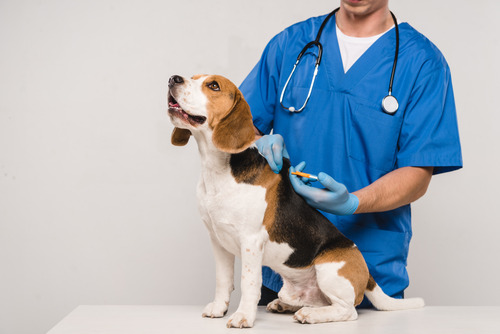
Your veterinarian uses a sterile needle to insert the microchip just beneath your dog’s skin, typically between the shoulder blades. The process is quick and comparable to receiving a routine vaccination. Most dogs experience little to no discomfort during the procedure.
After the microchip is implanted, your veterinarian will scan it to verify that it’s functioning correctly and that the identification number can be read clearly. Once the chip is confirmed to work, your information is registered with a national database.
How Microchips Store Information
Each microchip contains a unique 15-digit identification number. This number doesn’t store your personal information directly, it simply links to your contact details in the registry database. When a lost dog is found, animal shelters, veterinary hospitals, or animal control agencies can scan the microchip and access your contact information through the registry to notify you.
The Importance of Microchip Registration and Updates
Having a microchip is only effective if your information is accurate and up to date. After dog microchipping, your veterinarian will help you register your pet’s ID number with a national database. You’ll need to provide your name, address, phone number, and email address.
Updating Your Contact Information
If you move or change your phone number, make sure to update your contact information immediately in the registry. Many reunions are delayed or don’t happen at all because owners forget to update their details. It’s a good idea to verify your registration annually, such as during your dog’s yearly wellness exam. This ensures that your information remains current and your dog’s microchip continues to serve its purpose.
Choosing the Right Registry
Most microchip manufacturers have preferred registry partners, but you can also register your dog’s microchip with multiple databases. The American Animal Hospital Association (AAHA) offers a Universal Pet Microchip Lookup Tool, which helps shelters and veterinarians find your contact information no matter where your pet’s chip is registered.
Dog Microchipping and Safety
Many pet owners wonder about the safety of microchipping their dogs. The procedure has been used for decades and is considered extremely safe. The materials used in microchips are non-toxic and designed to remain securely in place throughout your dog’s life.
Are There Side Effects?
Minor swelling or tenderness may occur at the implant site immediately following the procedure, but these effects are rare and typically resolve quickly. Your veterinarian will check the chip’s placement during future visits to make sure it remains in the correct location. It’s also important to have your dog’s microchip scanned annually to confirm it’s still readable. This takes only a few seconds and provides reassurance that the chip will function properly if ever needed.
When to Microchip Your Dog
Microchipping can be performed at almost any age, but veterinarians often recommend it once a puppy is old enough to receive vaccinations. Many pet owners choose to microchip their dogs at the same time as spaying or neutering, as this allows both procedures to be done under one visit while the pet is already under anesthesia. For adopted pets, shelters and rescue organizations often include microchipping as part of the adoption process. If you’re unsure whether your dog already has a chip, your veterinarian can scan them during a regular check-up.
Microchipping and Travel
If you plan to travel with your dog, especially internationally, microchipping can be a requirement. Many countries mandate microchip identification as part of their pet import regulations.
Meeting Travel and Identification Requirements
For travel, ensure your dog’s microchip meets the ISO 11784/11785 standard, which is recognized worldwide. If your pet’s chip doesn’t meet these standards, you may need to bring your own scanner or have a new chip implanted before travel. Having a microchip not only fulfills legal travel requirements but also helps reunite you with your dog quickly if they become separated in unfamiliar surroundings.
The Role of Dog Microchipping in Reuniting Lost Pets
Every year, thousands of lost dogs are reunited with their families thanks to microchips. When animal control or a shelter finds a stray pet, one of the first steps they take is to scan for a microchip. If the information is up to date, reuniting pets with their owners can happen in a matter of hours.
Real-World Impact of Microchipping
Studies show that dogs with microchips are more than twice as likely to be returned home compared to those without. Dog microchipping is a simple, one-time investment that can make a lifelong difference. Even if your dog never leaves your yard, accidents happen: gates are left open, storms cause fences to fall, or your pet slips out of a collar. Microchipping ensures you’re always connected to your pet, no matter what happens.
How Dog Microchipping Supports Responsible Pet Ownership
Microchipping your dog is a reflection of responsible pet care. It complements other forms of preventive veterinary care like vaccinations, wellness exams, and proper identification tags. By choosing to microchip your dog, you demonstrate a commitment to their safety and your community’s efforts to reduce the number of unclaimed pets in shelters.
Community Benefits
When more pet owners participate in microchipping, it helps shelters reunite lost pets more efficiently and reduces overcrowding. It’s a small step that contributes to a larger solution for pet safety and community welfare.
Reuniting Families and Strengthening Bonds
Dog microchipping offers lifelong benefits with minimal effort. It’s a safe, affordable, and highly effective tool that gives your dog a voice when they can’t speak for themselves. Whether you’re welcoming a new puppy or caring for a longtime companion, consider microchipping as a lasting form of protection. If you’re ready to schedule dog microchipping at Pet Townsend Veterinary Clinic, call us at (360) 379-1133 or book an appointment online today. Protect your pet and enjoy peace of mind knowing you’ve taken an important step toward keeping them safe and by your side for years to come.